Featured
An Unbiased View of Widespread Misconceptions Surrounding...
The smart Trick of Technology Makes When is the Right Tim...
How Non-Profit Why Confidentiality Matters in Nonprofit F...
How Non-Profit Why Confidentiality Matters in Nonprofit Financial Services : APFSC Organizations Reviewed can Save You Time, Stress, and Money.
Table of Contents
While brand-new debt can help you rebuild, it is essential to room out your applications. If you have a family participant or good friend with outstanding credit, take into consideration asking to include you as an authorized user on one of their bank card. If they do it, the full history of the account will certainly be included to your credit rating records.
Prior to you think about financial obligation settlement or personal bankruptcy, it's essential to recognize the potential benefits and negative aspects and exactly how they may use to your circumstance. Both choices can minimize or get rid of huge portions of unprotected financial debt, assisting you avoid years of unmanageable repayments.
If you're not certain that debt negotiation or insolvency is right for you, below are a few other financial obligation alleviation choices to take into consideration. The best means will certainly depend on your situation and objectives. If you have some flexibility with your spending plan, here are some increased financial obligation repayment alternatives you can go after: Beginning by detailing your financial debts from the smallest to the biggest balance.
Indicators on The Value of Certified Bankruptcy Counselors You Need To Know
The counselor discusses with financial institutions to lower rates of interest, forgo late costs, and create a workable regular monthly settlement. You make one combined repayment to the agency, which after that pays your financial organizations. While a DMP doesn't lower the principal equilibrium, it assists you pay off financial debt much faster and much more economically, generally within three to 5 years.
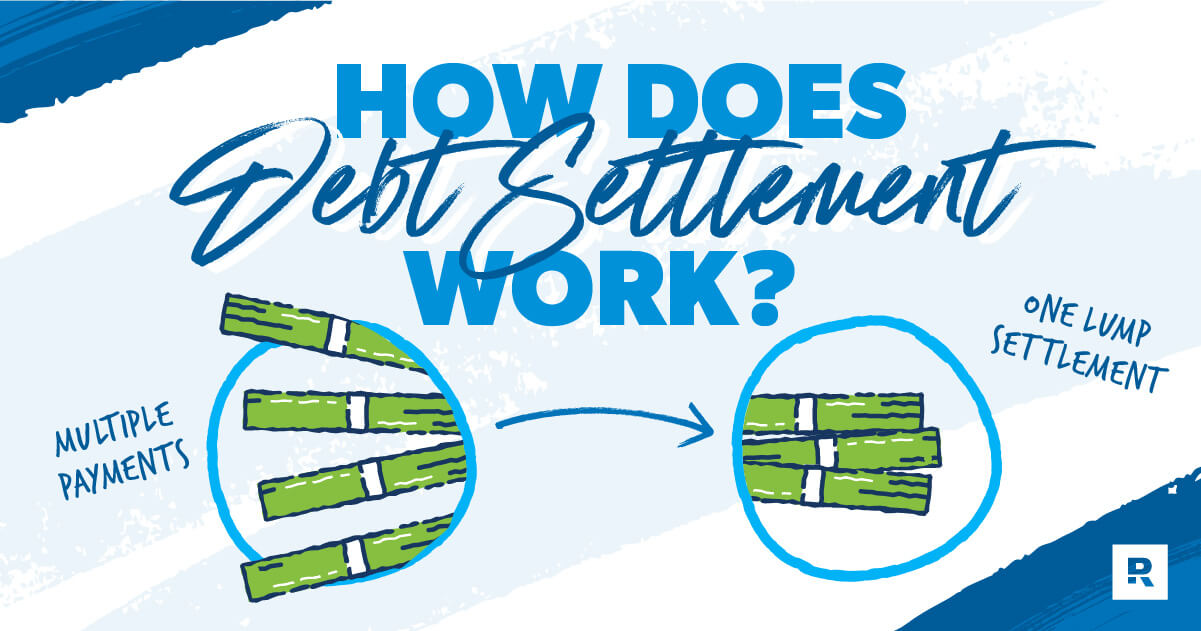
While you can work out with financial institutions by yourself, it's usually a difficult and lengthy process, specifically if you require to fix a large quantity of debt throughout several accounts. The process calls for a strong understanding of your financial resources and the lender's terms along with confidence and persistence. Therefore, there are financial obligation alleviation business additionally referred to as financial obligation negotiation firms that can handle the settlements for you.
People that register in debt alleviation programs have, generally, roughly $28,000 of unsecured financial debt throughout virtually 7 accounts, according to an analysis commissioned by the American Organization for Financial Debt Resolution, which looked at customers of 10 major debt relief companies in between 2011 and 2020. Regarding three-quarters of those clients contended the very least one financial debt account efficiently resolved, with the typical enrollee clearing up 3.8 accounts and over half of their registered financial debt.
It's typical for your credit rating to fall when you first start the financial debt alleviation procedure, especially if you quit making settlements to your creditors. As each debt is resolved, your credit history should begin to rebound. Make certain you understand the complete prices and the impact on your credit history when reviewing if financial debt settlement is the right option.
Not known Details About "Debt Forgiveness Ruins Your Future" Debunked
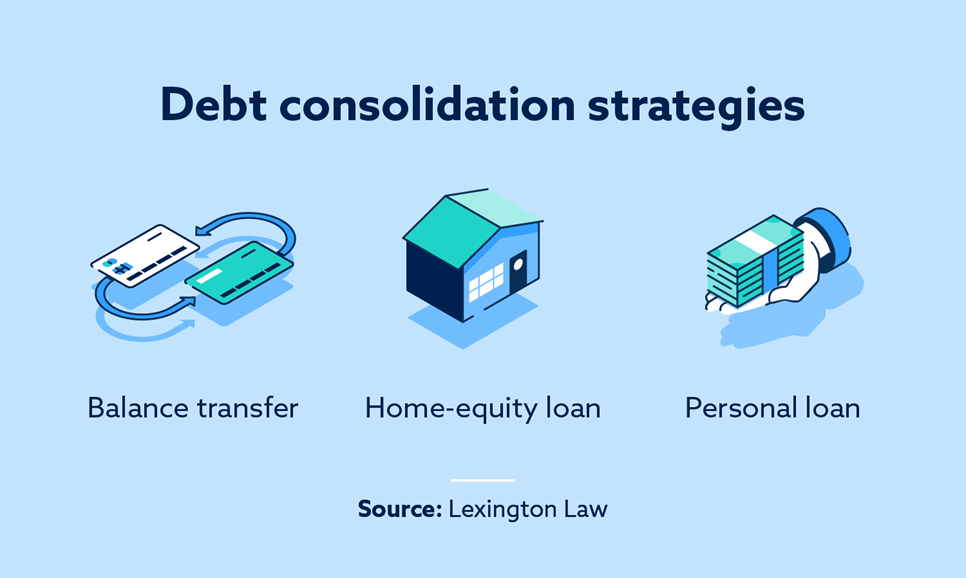
As mentioned over, there are alternatives to financial obligation settlement that might be a better fit for your financial scenario. This technique turns numerous financial debts into a single regular monthly repayment and commonly supplies a lower interest price, streamlining your finances and possibly saving you cash over time.
Right here's exactly how each one works: Debt consolidation financings: These are individual finances that you can use to settle your existing debts, leaving you with just one monthly expense, normally at a reduced rate of interest. Equilibrium transfer debt cards: This involves moving your existing bank card equilibriums to a brand-new charge card that offers a lower rate of interest rate or a marketing 0% APR for a set period.
As soon as the duration ends, interest prices will be substantially high usually over 20%. Home equity car loans or HELOCs (home equity lines of debt): These fundings permit you to obtain against the equity in your home. You receive a round figure or a credit line that can be made use of to repay debts, and you generally benefit from lower rates of interest compared to unsecured finances.
ROI vs Self-Guided Options Can Be Fun For Everyone
These plans have several advantages, such as streamlining your settlements by consolidating numerous into one and possibly decreasing your interest prices. They typically come with a setup cost ranging from $30 to $50, and a regular monthly upkeep charge of around $20 to $75, depending on the company you function with.
Having a lot of financial debt can be frustrating, yet it's still important to take the time to take into consideration the details of different solutions so you comprehend any kind of possible risks. The very best debt strategy for you depends on your economic circumstance. If you're struggling with your costs however still haven't missed out on any repayments, a financial obligation management plan may be an excellent fit specifically if you do not want your credit rating to container.
Whichever your circumstance is, take into consideration talking to a qualified credit report counselor, an insolvency lawyer, or a qualified financial obligation expert prior to relocating ahead. They can assist you get a complete understanding of your financial resources and options so you're better prepared to choose. Another element that influences your choices is the sort of financial obligation you have.
It is important to comprehend that a discharge stands out from financial debt forgiveness, and debt does not obtain "forgiven" with an insolvency filing. Our West Hand Coastline bankruptcy lawyers can explain in more detail. In general, "financial debt forgiveness" refers to a situation in which a creditor does not think it can accumulate the sum total of the debt owed from a debtor, and either stops attempting to accumulate or consents to forgive a quantity less than what the borrower owed as part of a debt settlement agreement.
Our How Debt Relief Protects Your Property Statements
When this takes place, the financial obligation will certainly be taken into consideration "canceled" by the IRS, and the debtor will commonly obtain a termination of financial debt develop the amount of financial obligation forgiven is taxable. In a bankruptcy situation, debt is not forgiven by a financial institution. Rather, it is released by the personal bankruptcy court, and discharge has a different definition from financial obligation forgiveness.

Table of Contents
Latest Posts
An Unbiased View of Widespread Misconceptions Surrounding Bankruptcy

The smart Trick of Technology Makes When is the Right Time to Consolidate Debt for Relief? : APFSC Easier That Nobody is Talking About
How Non-Profit Why Confidentiality Matters in Nonprofit Financial Services : APFSC Organizations Reviewed can Save You Time, Stress, and Money.
More
Latest Posts
An Unbiased View of Widespread Misconceptions Surrounding Bankruptcy